3D Computer with Personal Data Security Design
In today’s digital-first world, the visual representation of technology is more important than ever. A 3D computer with personal data security design offers a powerful way to communicate themes of protection, innovation, and trust in a single compelling image. Whether you're designing for print, digital backgrounds, or creative decoration, this type of vector artwork brings a modern, professional look that resonates across industries.
What Is a 3D Computer with Personal Data Security?
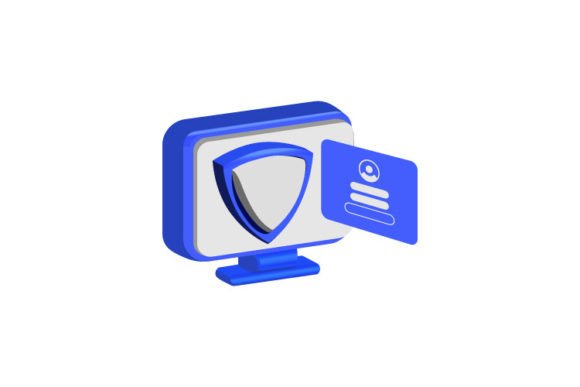
A 3D computer with personal data security typically features a stylized illustration of a computer or laptop where key elements like locks, shields, encryption symbols, or secure connections are integrated into the 3D structure. This could be shown through subtle textures on the device, embedded icons within the screen, or layered components around the machine. The result is a visually rich design that immediately conveys the importance of safeguarding sensitive information.
Such designs are commonly used by tech companies, cybersecurity professionals, educators, and marketers to represent safe computing environments. With file formats like AI, EPS, SVG, PNG, and JPG available, they offer flexibility for both high-resolution printing and web use.
Why This Design Matters
As concerns about online privacy grow, visuals that emphasize data security become increasingly relevant. A 3D computer design with these elements can help businesses build credibility, especially in sectors dealing with financial transactions, healthcare records, or personal user accounts. It also serves as an educational tool, helping users understand how their data is protected at a glance.
For creators, the appeal lies in the balance between form and function — it's not just about looking good, but also about conveying meaningful messages. These vectors can transform abstract ideas into tangible graphics, making them ideal for infographics, presentations, and brand collateral.
Infographics and Educational Materials
Designers and educators can use a 3D computer with personal data security to explain complex topics like encryption, firewalls, or multi-factor authentication. For instance, placing a shield over the computer screen or integrating lock icons into the keyboard layout can make technical explanations more accessible and engaging.
Tip: Pair the 3D model with minimal text and color-coded sections to highlight different layers of security. This makes the design more audience-friendly and easier to digest during training sessions or marketing campaigns.
Marketing and Branding
For startups or IT service providers, using a 3D computer graphic with security features in branding materials can instantly establish trust. It works well in logos, website headers, social media posts, and even product packaging. Imagine a logo where a sleek 3D computer is wrapped in a glowing shield — it speaks volumes without saying a word.
Recommendation: Choose a clean and modern style to align with tech-forward brands. Avoid overly cluttered versions unless you're aiming for a specific retro or detailed aesthetic.
Print and Decoration Projects
These designs aren't limited to digital use. They translate beautifully into print. Use them for posters, brochures, t-shirts, mugs, or wall art. A minimalist version with a soft background might work better for apparel, while a more intricate one would suit a conference poster or trade show display.
Example: A small business selling encrypted USB drives might feature a 3D computer surrounded by security elements on its product box, reinforcing the message of safety and reliability.
Backgrounds and UI Elements
If you're working on app or website interfaces, consider using the 3D computer with personal data security as a subtle background element. It can add depth and context without overwhelming the user experience. You might place it behind a call-to-action button related to account settings or data management.
SVG and PNG files allow for transparent backgrounds, so the design can blend seamlessly into any interface. Just ensure the colors and styles match your site’s overall theme to maintain visual consistency.
How Different Users Can Adapt This Design
- Graphic Designers: Experiment with layering and lighting to create dramatic effects. Add a futuristic vibe by using metallic gradients and holographic elements.
- Marketers: Use the design to support campaigns around password managers, cloud storage solutions, or secure payment gateways. Make sure the message is clear and the graphic doesn’t distract from the main content.
- Bloggers and Educators: Incorporate the 3D model into blog headers or infographic-style posts explaining data breaches, phishing attacks, or best practices for digital safety.
- Freelancers and Entrepreneurs: Apply it to your portfolio or pitch decks to showcase your expertise in secure systems or digital privacy.
- Small Business Owners: Print it on branded merchandise to promote your commitment to client data protection and professionalism.
Adapting for Specific Audiences
When tailoring the design for different audiences, consider the tone and complexity. A design for a children’s educational platform should simplify the security aspects, perhaps showing a friendly character holding a locked computer. In contrast, a design for enterprise clients may require a more sophisticated look with multiple layers of defense depicted clearly.
Pro tip: Always test the design in context. How does it look when printed on a glossy brochure versus displayed on a mobile screen? Ensuring adaptability will save time and effort later in production.
Practical Project Ideas Using the 3D Computer Graphic
- Website Headers: Create a header for a cybersecurity blog or service page using a floating 3D computer with shield-like graphics surrounding it. Use a PNG with transparency for seamless integration.
- Poster Series: Design a set of posters for a school’s IT department explaining the importance of strong passwords and software updates. Each poster can focus on a different aspect, with the 3D computer as a recurring motif.
- Business Cards: Embed a small version of the 3D computer in the corner of a card for IT consultants or developers. It adds a touch of professionalism and relevance.
- Social Media Templates: Use the JPG format to craft Instagram carousels or LinkedIn banners highlighting data protection tips. Keep the message concise and pair it with bold visuals.
- Product Packaging: Feature the 3D computer prominently on the box of a new app or hardware device focused on security. Use a matte finish for a premium feel.
Keeping Your Design Clear and Effective
While the 3D computer with personal data security design is visually appealing, it's crucial to maintain clarity. Overloading the image with too many security icons or effects can confuse the viewer rather than inform them. Stick to two or three core symbols — such as a padlock, shield, or network lines — to keep the message focused.
Also, consider the hierarchy of your composition. If the computer is the focal point, make sure the security elements complement it rather than compete. Using contrasting colors or negative space can help guide the eye toward the most important parts of the image.
Consistency Across Platforms
When reusing the design across different platforms — from websites to print — maintain consistent styling. Use the same color scheme, font pairing, and layout principles to ensure brand recognition and a cohesive visual language.
If you’re using multiple file types (AI, EPS, SVG), store them in an organized folder with clear naming conventions. This helps streamline future projects and ensures you always have the right file for each need.
Where to Find and Use This Design
The availability of 3D computer with personal data security designs in various file formats makes them versatile tools for professionals. Ai and Eps files are ideal for scalable editing, while Jpg and Png are ready for immediate use in digital or print layouts. Svg is perfect for interactive web elements or animations.
You can find these assets on stock design platforms, specialized vector marketplaces, or custom illustration services. Look for sets that include variations — maybe one with a glowing shield, another with a cracked screen warning, and a third showing a secure connection line — to give you options depending on your project’s needs.
Conclusion: A Versatile Tool for Modern Creativity
The 3D computer with personal data security isn’t just another stock graphic; it’s a concept that bridges aesthetics and meaning. By using it thoughtfully, you can create visuals that speak directly to your audience’s concerns and values. Whether you're promoting a product, teaching a class, or building a brand, this design offers a foundation for clear, impactful communication.
With the right approach, this vector can become a staple in your creative toolkit. Let it evolve with your projects — adapting to new trends, technologies, and storytelling needs. Stay inspired, stay practical, and let your creativity serve a purpose.