3D Earning Money from the Internet: Visualizing Financial Growth in the Digital Age
In today’s digital-first economy, visual storytelling plays a crucial role in marketing and communication. One of the most compelling visual metaphors is the concept of “3D Earning Money from the Internet,” which uses three-dimensional design to illustrate the process of generating income online. This approach often features elements like rising arrows, stacked coins, and abstract growth indicators rendered in 3D formats such as JPG, PNG, PSD, or even Blender files. These visuals are not just artistic—they serve a functional purpose in helping businesses and individuals convey complex ideas about online revenue generation in an engaging and intuitive way.
What Is 3D Earning Money from the Internet?
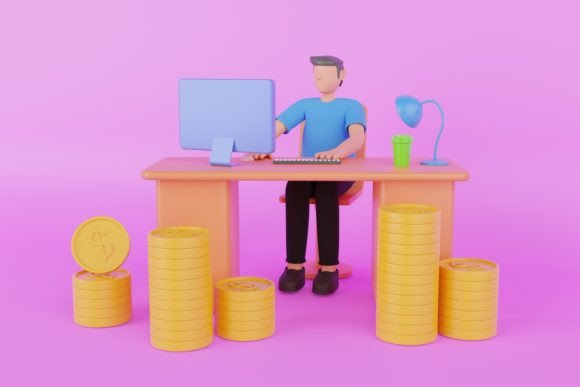
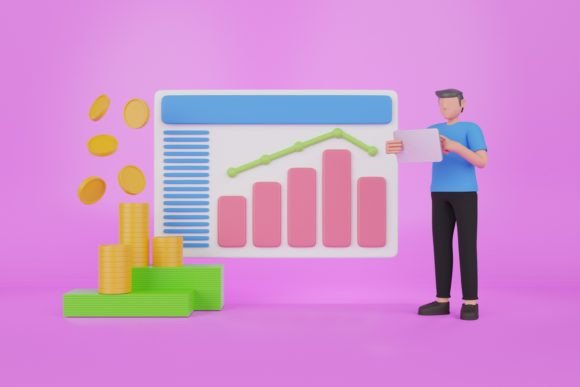
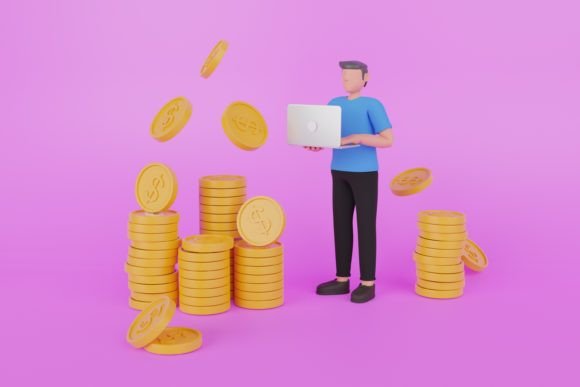
The phrase “3D Earning Money from the Internet” typically refers to a visual representation—often in the form of a 3D render—that symbolizes the idea of growing wealth through digital means. It may include imagery such as:
- A stylized arrow pointing upward with coin stacks along its path, signifying financial growth over time.
- Abstract shapes and lines that resemble data flow, website traffic, or investment returns.
- Three-dimensional icons of computers, smartphones, and money symbols (like dollar signs or coins) to represent online earning platforms and tools.
These designs are created using specialized 3D modeling software and can be exported into various file types including JPG, PNG, PSD, and BLENDER for different use cases. The 3D aspect adds depth and realism, making it more effective for capturing attention in promotional materials, websites, or social media campaigns.
How Does It Differ from Other Visual Concepts?
Compared to traditional 2D graphics or flat illustrations, the 3D Earning Money from the Internet design offers a more immersive and dynamic presentation. While a simple line drawing or icon set might communicate the same message, the 3D format provides a sense of movement and progression that aligns well with the theme of growth and success.
For instance, a standard infographic showing how online businesses make money could be enhanced by adding a 3D-rendered stack of coins rising from a computer screen. This not only makes the graphic visually appealing but also helps the audience grasp the idea of continuous income generation more effectively.
Another key difference lies in adaptability. A 3D model can be manipulated from multiple angles, allowing designers to create variations without starting from scratch. This flexibility is especially useful when the illustration needs to fit different layouts, such as mobile-responsive web banners or large-format posters.
Strengths of Using 3D Earning Money from the Internet Designs
Here are some of the main advantages of incorporating this type of 3D design into your digital assets:
- Visual Impact: The three-dimensional nature of the design immediately draws the viewer’s eye, making it ideal for high-traffic areas like homepages or landing pages.
- Professional Appeal: High-quality 3D renders give a polished and modern look, which is particularly important for finance-related content or tech startups.
- Reusability: With access to editable files like PSD or BLENDER, you can customize the design to suit your brand’s colors, fonts, and messaging across multiple platforms.
- Symbolic Clarity: The combination of internet-related symbols and financial growth indicators simplifies the concept for audiences who may not be familiar with technical details.
Tradeoffs and Limitations
While 3D Earning Money from the Internet visuals are powerful, they do come with certain tradeoffs:
- Production Time: Creating a detailed 3D illustration takes longer than designing in 2D. It requires expertise in 3D modeling and rendering software, which can slow down the creative process.
- File Size: Especially when exported in high resolution or used in animated formats, these files can be large, affecting loading times on websites or apps.
- Cost: If you’re hiring a designer or using premium stock assets, the cost of acquiring or producing a 3D design may be higher than simpler alternatives.
- Accessibility Concerns: Highly stylized or abstract 3D visuals may not be as accessible to all users, particularly those relying on screen readers or other assistive technologies.
It’s also worth noting that the effectiveness of these designs depends heavily on context. For example, a 3D illustration may feel out of place in a minimalist blog post or a text-heavy whitepaper.
Best-Fit Situations for 3D Earning Money from the Internet Graphics
These visuals work best in scenarios where you want to highlight the potential for growth, innovation, or financial opportunity in the digital space. Some common use cases include:
- Websites and Landing Pages: Use them as background images or hero section visuals to emphasize your online business model or services.
- Social Media Banners: Eye-catching 3D designs help stand out in crowded feeds and can increase engagement rates.
- Promotional Materials: Brochures, flyers, or infographics that explain how your product or service helps users earn money online benefit from this kind of imagery.
- UI/UX Design: Incorporate subtle 3D elements into dashboards or app interfaces to guide users toward financial milestones or goals.
- Posters and Presentations: In educational or motivational settings, 3D visuals can simplify complex topics and inspire action.
One real-world example is a fintech startup using a 3D render of a rising arrow with coin stacks in their homepage banner to symbolize passive income from investments. Another is an e-learning platform illustrating how online courses lead to financial freedom through a stylized 3D scene of a person receiving coins via a digital interface.
When to Choose 3D vs. Other Visual Approaches
Deciding whether to go with a 3D Earning Money from the Internet design versus a 2D alternative depends on several factors:
- Target Audience: Younger, tech-savvy demographics may respond better to 3D visuals, while older or more conservative audiences might prefer straightforward 2D illustrations.
- Message Tone: If your content is aspirational or motivational, 3D designs can reinforce the message of upward momentum and success. However, if the tone is purely informational, a 2D graphic may be more appropriate.
- Platform Requirements: Some platforms have strict limitations on image size and format. Before committing to a 3D design, ensure it meets the specifications of where it will be used.
- Design Budget: If budget is a constraint, consider whether the added value of a 3D render justifies the cost. Sometimes a strong 2D vector illustration can achieve similar results at a lower price point.
For instance, if you're creating a short explainer video, a 3D animation of someone "earning money from the internet" would be impactful. But for a printed brochure, a clean 2D version might be more practical and easier to reproduce accurately.
Alternatives to Consider
There are several alternatives to 3D Earning Money from the Internet designs that may better suit specific needs:
- Flat Vector Illustrations: These are lightweight, scalable, and easy to edit. They work well for user-friendly interfaces or when speed is a priority.
- Infographics: Ideal for breaking down the mechanics of online earning into digestible parts, often combining charts, icons, and minimalistic art styles.
- Photorealistic Images: Stock photos of people working remotely with laptops and money on the desk can also convey the message, though less creatively than 3D models.
- Animated GIFs or Videos: For digital content that benefits from motion, an animated version of the 3D design can add another layer of engagement.
Each option has its own strengths. For example, a flat design might load faster and integrate seamlessly into a mobile app, while a photorealistic image may feel more relatable and authentic for a general audience.
Practical Tips for Using 3D Earning Money from the Internet Assets
If you decide to use this type of design, here are some tips to maximize its impact:
- Use the Right File Format: For static use, opt for high-resolution JPG or PNG files. For editing and customization, download the original PSD or BLENDER file.
- Maintain Brand Consistency: Ensure the color palette and style match your brand guidelines. Adjust lighting, shadows, and textures to blend with your existing assets.
- Pair with Clear Messaging: Don’t rely solely on the image. Add concise, benefit-focused text to reinforce the meaning behind the visual metaphor.
- Test on Multiple Devices: Check how the design looks on desktops, tablets, and mobile devices before publishing it online.
- Consider Cultural Context: Symbols like coins or upward arrows may carry different meanings in various regions. Always tailor your visuals to your target market.
Conclusion
The 3D Earning Money from the Internet concept is a versatile tool for communicating the idea of digital financial success. When used thoughtfully, it can enhance the clarity and appeal of your message, especially in marketing, education, and UI/UX contexts. However, it's essential to weigh the pros and cons against your specific project requirements, audience preferences, and resource availability.
Whether you choose a 3D design or a more traditional visual approach, the goal should always be to support your message and engage your audience effectively. By understanding when and how to deploy these assets, you can make more informed decisions that align with your brand’s identity and objectives.