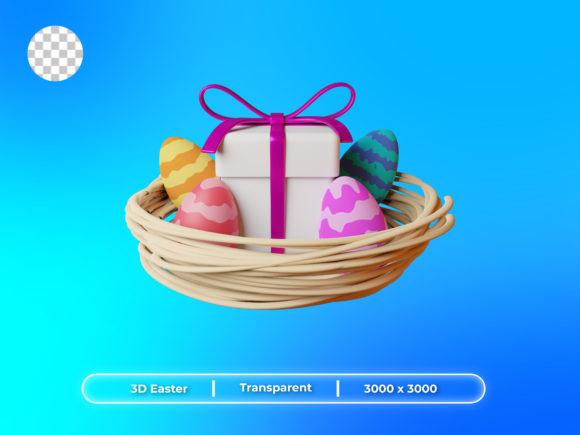
Easter Eggs: A Vibrant Design Element for Spring-Themed Projects
Easter Eggs are more than just a holiday tradition; they have become a popular design element in digital and print media, especially around the spring season. These illustrations capture the essence of Easter with their intricate patterns, pastel hues, and symbolic motifs. When used effectively, Easter Eggs can elevate the visual appeal of projects such as greeting cards, marketing materials, or website banners. In this article, we explore how Easter Eggs fit into the broader context of seasonal design, their unique characteristics, and why 3D Easter illustration renderings are gaining traction among designers.
What Are Easter Eggs in Design?
In the world of graphic design, Easter Eggs refer to stylized depictions of eggs typically adorned with floral, geometric, or traditional holiday patterns. They symbolize new life, fertility, and renewal—key themes associated with the arrival of spring. Unlike generic egg shapes, Easter Eggs in design are often detailed and rich in cultural significance, making them ideal for creating content that resonates with audiences during the April holidays.
Designers use these elements to add warmth, charm, and thematic relevance to their work. Whether it’s a simple line drawing or a complex 3D model, an Easter Egg can serve as a focal point or subtle accent depending on the project's needs. The choice between different styles—flat, vector-based, or 3D—depends largely on the intended application and the desired aesthetic outcome.
The Appeal of 3D Easter Illustrations
As technology and design tools evolve, so do the ways in which traditional symbols are brought to life. 3D Easter illustrations offer a dynamic and visually engaging alternative to flat or two-dimensional designs. These renderings provide depth, texture, and lighting effects that create a lifelike appearance, making them stand out in any composition.
A high-resolution 3D Easter illustration render, such as a 3000x3000px PSD transparent file, allows for greater flexibility in layering and editing. This format is particularly beneficial for professionals who want to integrate the design seamlessly into various backgrounds without worrying about color clashes or resolution issues. The transparency of the file also makes it suitable for overlaying text or other graphics, enhancing its usability across multiple platforms.
Strengths of 3D Easter Egg Designs
- Visual Depth: 3D illustrations give a sense of realism and dimensionality that flat designs cannot achieve.
- Customization Options: With layered PSD files, you can adjust individual components like shadows, highlights, or textures.
- High Resolution: Files at 3000x3000px ensure crisp details when printed or displayed digitally.
- Transparency Support: Enables easy integration into diverse layouts and backgrounds without requiring background removal.
- Professional Quality: Ideal for branding, social media posts, and commercial applications where polish is essential.
When to Choose Traditional vs. 3D Easter Egg Designs
Traditional Easter Egg illustrations often rely on hand-drawn or vector art styles. These are perfect for minimalist or vintage-themed projects. However, if your goal is to create something eye-catching and modern, a 3D Easter illustration render might be the better option. For example, while a vector Easter Egg could look elegant in a logo or icon, a 3D version would be more appropriate for a hero image on a promotional landing page.
Consider the following comparison:
- Flat/Vector Easter Eggs: Best suited for small-scale use, such as icons, infographics, or email headers. They load quickly and scale well but may lack the visual punch needed for larger displays.
- 3D Easter Egg Illustrations: More immersive and impactful, especially when used in large formats or as part of a main visual. They are ideal for high-quality prints, web headers, and interactive presentations.
Best-Fit Situations for Using 3D Easter Egg Renders
3D Easter Egg illustrations shine in several scenarios:
- Spring Greeting Cards: Adding a 3D Easter Egg to a card gives it a premium feel. It works well for both personal and professional greetings, especially when paired with soft, spring-inspired palettes.
- Website Banners and Headers: These renderings can make a website feel fresh and celebratory during the Easter period. Their high resolution ensures clarity even on large screens.
- Social Media Graphics: On platforms like Instagram or Pinterest, where visuals play a significant role, a 3D Easter Egg can attract attention and convey creativity.
- Printed Merchandise: From calendars to t-shirts, 3D illustrations translate beautifully onto physical products due to their vibrant colors and detail.
For instance, imagine designing a digital Easter postcard. While a simple line drawing might suffice for a black-and-white version, a 3D Easter illustration with a beige background and ornate patterns adds richness and sophistication. It not only looks professional but also aligns with the warm and inviting tone of the holiday.
Tradeoffs and Limitations to Consider
Despite their advantages, 3D Easter Egg illustrations aren't always the best choice. Here are some tradeoffs to keep in mind:
- File Size: High-resolution 3D renders can significantly increase file size, which may affect loading times on websites or apps.
- Editing Complexity: While layered PSD files allow for customization, they may require advanced skills in photo editing software compared to simpler vector assets.
- Compatibility: Some platforms or devices may not support high-resolution images efficiently, leading to potential display issues.
- Cost and Time: Producing original 3D Easter Egg illustrations from scratch requires time and specialized tools. Ready-made options are available, but quality varies.
If you're working on a tight deadline or need lightweight assets for mobile optimization, a vector-based Easter Egg might be more practical. However, for those seeking top-tier visual quality and creative freedom, investing in a 3D render can pay off significantly.
Alternatives to 3D Easter Egg Illustrations
There are several alternatives to consider depending on your specific needs:
1. Vector-Based Easter Egg Art
Vector Easter Eggs are scalable and editable using software like Adobe Illustrator. They maintain sharpness regardless of size, making them excellent for logos, buttons, and small graphics. Compared to 3D versions, vectors are generally faster to edit and compatible with most design workflows.
2. Clipart and Stock Images
Clipart collections and stock images offer ready-to-use Easter Egg designs. These are useful for quick projects and can be found in a wide range of styles. However, they often lack the uniqueness and customization options provided by a high-resolution 3D Easter illustration.
3. Hand-Drawn or Watercolor Styles
These styles bring a personal and artistic touch to Easter-themed designs. They are great for boutique brands or personal projects but may not suit large-scale commercial use due to their limited scalability and lower contrast.
How to Decide Between 3D and Other Formats
Choosing between 3D Easter illustrations and other formats depends on your project's goals and audience. Ask yourself the following questions:
- Do I need high-resolution visuals for print or large screens?
- Will the design be viewed primarily online or offline?
- Is the message I want to convey playful, elegant, or minimalistic?
- Do I have the resources to handle large files and complex layers?
For instance, if you're creating a downloadable Easter template for users to print at home, a 3D render with a beige background and patterned details will likely yield a more polished result. But if you're designing a mobile app interface with Easter-themed features, vector-based or SVG Easter Egg assets may be more efficient and responsive.
Practical Examples of Easter Egg Use in Design
To help illustrate how Easter Eggs can enhance your design, here are a few real-world examples:
- Marketing Campaigns: Brands often use Easter Eggs in promotional emails or banners to signal seasonal offerings. A 3D Easter Egg on a white or beige background can subtly reinforce the theme without overwhelming the viewer.
- Event Invitations: For spring events like baby showers or garden parties, incorporating a 3D Easter Egg into the invitation design adds a festive yet sophisticated touch.
- Editorial Content: In lifestyle or travel magazines covering springtime destinations, a 3D Easter Egg illustration can complement photography or text layout with thematic consistency.
- Product Packaging: Easter Eggs are commonly used in packaging for chocolates, candies, or gift items. A 3D render offers a tactile illusion that can make the product more appealing at first glance.
Why a Transparent PSD File Matters
When sourcing or creating Easter Egg illustrations, the file format plays a crucial role in the final output. A PSD transparent file provides designers with full control over the background and layers, allowing for seamless integration into existing designs. This is particularly valuable when combining the illustration with other elements, such as text, photos, or additional decorative components.
Compared to JPEG or PNG files, a PSD retains all the editable layers and settings applied during creation. This means you can tweak the lighting, texture, or placement of the Easter Egg without compromising the overall quality. Additionally, because the file supports transparency, you can easily place the illustration on any background, ensuring it fits perfectly within your design framework.
Key Decision Factors for Designers
Here are some key factors to consider when deciding whether to use 3D Easter Egg illustrations:
- Project Scale: Larger projects benefit from the detail and depth of 3D illustrations.
- Target Audience: If your audience appreciates modern and realistic visuals, a 3D render is a strong contender.
- Budget and Timeline: 3D assets may take longer to produce or require licensing, so evaluate your timeline and budget accordingly.
- Technical Requirements: Ensure your platform or device supports high-resolution images before committing to a 3D Easter Egg design.
- Brand Identity: Align the style of the Easter Egg with your brand's aesthetic—whether it's sleek and modern or whimsical and traditional.
Final Thoughts on Incorporating Easter Eggs into Your Work
Easter Eggs are a versatile and meaningful design element that can enrich your creative projects during the spring season. Whether you opt for a classic flat design or a modern 3D illustration, understanding the strengths and limitations of each format helps you choose the right tool for the job. A 3D Easter illustration render in a high-resolution PSD transparent file is especially powerful for those aiming to deliver professional-grade, adaptable artwork that stands out in both digital and print environments.
By evaluating your needs against the benefits and drawbacks of different design approaches, you can confidently incorporate Easter Eggs into your work in a way that feels authentic, effective, and aligned with your goals.