How to Use Abstract Background Liquid Fluid Vector in Modern Graphic Design
In the fast-evolving world of graphic design, abstract background liquid fluid vector elements have become a go-to choice for creating dynamic and visually engaging content. These designs combine the organic flow of liquid with the precision of vector shapes, offering an ideal balance between artistry and technical flexibility. Whether you're designing a poster, website layout, or promotional material, understanding how to effectively use these elements can elevate your work and make it stand out in today’s competitive market.
What is an Abstract Background Liquid Fluid Vector?
An abstract background liquid fluid vector refers to digital artwork that uses flowing, amorphous shapes inspired by liquid motion. These are created using vector-based software like Adobe Illustrator, allowing designers to scale them infinitely without losing quality. The "fluid" aspect often mimics water, ink, or other liquids in motion, while the "abstract" part means they don’t necessarily represent real-world objects but rather evoke emotion, energy, or movement.
These designs are typically composed of soft curves, overlapping layers, and gradient color transitions. They can be found in various formats such as JPG and EPS, making them suitable for both print and digital applications. Their versatility makes them a popular asset across industries including marketing, web development, event design, and more.
Why Choose Fluid Backgrounds for Your Designs?
- Visual Appeal: The smooth, flowing nature of liquid-inspired vectors adds a sense of elegance and sophistication to any project.
- Adaptability: These backgrounds are easy to customize. You can change colors, gradients, and layering to match your brand identity or campaign theme.
- Modern Aesthetic: With their contemporary look, fluid abstract vectors align well with current design trends focused on minimalism, surrealism, and motion aesthetics.
- High-Quality Output: Since they are vector-based, you can resize them without worrying about pixelation, which is essential for high-resolution printing or responsive web design.
Practical Applications in Real-World Projects
Abstract background liquid fluid vectors aren't just eye candy—they serve specific functions in design workflows. Here are some common scenarios where they shine:
- Graphic Posters: In event posters, product launches, or promotional materials, these backgrounds create a dramatic backdrop that draws attention and enhances visual storytelling.
- Web Banners and Hero Sections: When used in digital marketing, fluid abstract vector backgrounds help establish a unique tone and guide the viewer's focus toward key messaging.
- Mobile App UI/UX: The soft edges and seamless integration of gradients make them perfect for modern app interfaces, especially in lifestyle, wellness, and creative sectors.
- Corporate Branding: Companies aiming to convey innovation or creativity often use these designs to differentiate themselves from competitors and build a cohesive visual language.
Designing with Geometric Gradient and Shape Elements
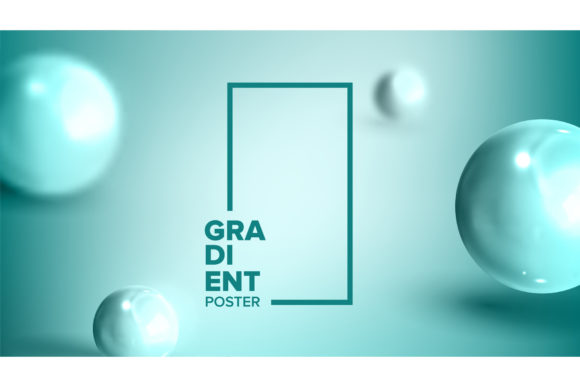
A key component of fluid abstract vector design is the use of geometric gradients and shape composition. This technique involves layering different shapes—like circles, triangles, and polygons—with gradient fills to simulate depth and motion.
For example, when creating a graphic poster, you might start with a base layer of liquid-like shapes in muted tones and then overlay brighter, geometric forms with contrasting gradients. This method not only gives the poster a multidimensional feel but also allows for greater control over focal points and color schemes.
Using geometric gradients also helps maintain a structured look even within the chaotic beauty of fluid abstract designs. It ensures that your artwork remains professional and aligned with branding guidelines, while still capturing the viewer's imagination.
Tools and Techniques for Creating Abstract Fluid Vectors
To craft an abstract background liquid fluid vector, many designers rely on tools such as Adobe Illustrator, CorelDRAW, or online platforms like Canva and Vectr. Here are some techniques commonly used:
- Brush Tools: Custom brushes in vector software can mimic the natural flow of liquids, enabling artists to paint directly with abstract strokes.
- Gradient Meshes: For advanced users, this tool allows precise control over how colors blend and transition across a shape, enhancing realism and depth.
- Layer Blending Modes: By adjusting blending modes, you can achieve effects like transparency, light refraction, and subtle color overlays that give your design a more fluid appearance.
- 3D Modeling Integration: Combining vector graphics with 3D realistic illustrations can add another level of complexity and visual interest to your abstract backgrounds.
Once your design is complete, exporting it in multiple formats such as JPG and EPS ensures compatibility across platforms—from social media visuals to printed brochures.
Choosing the Right Abstract Fluid Vector for Your Project
Selecting the right fluid background liquid abstract vector requires considering several factors. First, think about the message you want to convey. Do you need something bold and vibrant for a tech startup? Or perhaps a calming, translucent look for a wellness brand?
Here are some considerations before finalizing your choice:
- Color Scheme: Does the design complement your brand colors or the mood of the project? Subtle gradients may suit minimalist themes, while vivid ones can energize a concept.
- Resolution Needs: If you’re preparing for print, ensure the vector file supports high resolution. EPS files are ideal for professional printing, whereas JPGs are better suited for digital use.
- Complexity vs. Simplicity: Overly intricate designs can distract from the main content. Strive for a balance that enhances the overall composition without overwhelming it.
- License and Usage Rights: Always verify the licensing of your chosen vector assets, especially if they’ll be used commercially or distributed widely.
Common Mistakes to Avoid
While abstract fluid vectors are powerful, they can be misused. One common mistake is choosing a design that doesn’t align with the project's purpose. For instance, using a dark, chaotic vector for a corporate presentation might send the wrong message.
Another pitfall is poor layer management. Because these designs involve multiple overlapping elements, organizing layers properly in your design software is crucial for future edits and scalability.
Finally, avoid overusing effects like drop shadows or glows unless they enhance the fluid illusion. Too many effects can reduce clarity and make the design appear cluttered.
Integrating Abstract Fluid Vectors into Your Workflow
Whether you're a freelance designer or part of a creative team, integrating Abstract Background Liquid Fluid Vector into your workflow can streamline your process and improve efficiency. Here's how:
- Use Pre-Made Templates: Many design platforms offer editable templates featuring fluid abstract vector backgrounds. These can save time and provide a solid starting point for customization.
- Combine with Typography: Pairing fluid abstract vectors with clean, modern fonts can create a striking contrast that highlights text and improves readability.
- Experiment with Layering: Try stacking different fluid vector layers with varying opacities and blending modes to create depth and complexity without increasing file size unnecessarily.
- Optimize for Different Platforms: Ensure your vector design works well in all intended contexts. For digital use, compress JPG versions appropriately. For print, stick to CMYK color profiles and high-resolution EPS files.
By incorporating these strategies, you can leverage the full potential of fluid abstract vector designs while maintaining professionalism and usability.
Examples of Successful Uses
Many successful brands and designers have harnessed the power of fluid abstract vectors to great effect. For example, a music festival poster might feature a colorful, swirling liquid abstract vector background that mirrors the energy of live performances. Similarly, a mobile app promoting mindfulness could use a calm, translucent fluid pattern to reflect its mission.
In web design, companies often use fluid abstract vector backgrounds in hero sections to create immersive experiences. These backgrounds can subtly shift with user interaction, giving a sense of motion without the need for video or animation.
Recommendations for Effective Use
If you're new to working with Abstract Background Liquid Fluid Vector elements, here are a few tips to get started:
- Start Simple: Begin with one or two fluid shapes and gradually build complexity as you gain confidence with the tools.
- Test Color Combinations: Use a color wheel or palette generator to find harmonious combinations that enhance the fluid effect without clashing.
- Keep Text Legible: When adding text to a fluid vector background, consider using semi-transparent boxes or contrasting fonts to maintain readability.
- Stay Organized: Label each layer clearly and group related elements together. This will make revisions and client feedback easier to handle.
Additionally, always consider the context of your design. Will it be viewed on small screens? Will it need to be printed in black and white? These questions can influence your choice of colors and shapes.
The Future of Abstract Fluid Vector Design
As technology continues to advance, the role of abstract fluid vector backgrounds is likely to expand. With the rise of AR (augmented reality) and VR (virtual reality), these designs can be adapted into interactive environments, providing users with immersive visual experiences.
Moreover, AI-powered design tools are beginning to incorporate smart suggestions for abstract vector generation, helping even novice designers create compelling fluid backgrounds with minimal effort. This trend promises to democratize access to high-quality design assets, making Fluid Background Liquid Abstract Vector more accessible than ever before.
Final Thoughts on Creative Possibilities
From sleek digital banners to bold 3D realistic illustrations, Abstract Background Liquid Fluid Vector opens up a world of creative possibilities. Its ability to adapt to different styles and mediums makes it a valuable addition to any designer’s toolkit.
By mastering the interplay between geometric gradients, shape design, and fluid motion, you can craft visuals that are not only beautiful but also functional and impactful. As long as you keep the end goal in mind and tailor your choices accordingly, you'll find that these designs can significantly enhance your projects across a wide range of industries and formats.