3D Rendered Violin Perfect for Music: A Powerful Tool for Artists and Designers
For those who work in the creative or digital design fields, finding the right visual assets can make all the difference. The 3D rendered violin perfect for music is one such resource that blends artistry with practicality. Whether you're illustrating a classical composition, creating product visuals for a musical instrument store, or designing educational content about string instruments, this high-quality 3D render offers a realistic and versatile option. It's more than just an image—it’s a detailed, customizable asset ready to bring your projects to life.
What Makes This 3D Rendered Violin Unique?
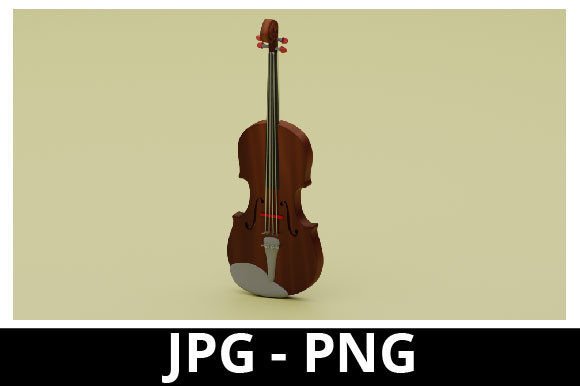
The 3D rendered violin perfect for music captures every nuance of a traditional acoustic violin, from the wooden finish to the intricate detailing on the neck and body. Available in formats like JPG and PNG, it’s ideal for both print and digital use. The ZIP folder typically includes multiple angles and variations—like close-ups of the strings, the bow, or even the whole object in isolation against a clean background. These features are especially valuable when accuracy and realism matter, such as in product showcases, educational materials, or artistic compositions.
Realistic Details for Real-World Use
One standout feature of this 3D model is its attention to detail. The rendering highlights the craftsmanship of a classic violin, including the grain of the wood, the smoothness of the varnish, and the subtle curves of the scroll. For designers working on projects related to harmony, melody, or orchestral themes, these specifics add authenticity. They also help avoid generic stock images that often feel outdated or unoriginal.
Who Can Benefit from Using This Resource?
This 3D render isn’t just for professional artists. It serves a wide range of users across different industries. Here’s how some might find value in it:
- Graphic Designers: When creating album covers, posters, or promotional materials for concerts or symphonies, having a high-quality violin render ensures your visuals align with the sophistication of the event.
- Marketers and E-commerce Sellers: If you’re selling violins online or promoting a line of musical accessories, this render can be used to create compelling product shots without the need for a live subject.
- Educators and Tutors: Teachers explaining the anatomy of a violin or demonstrating proper playing techniques can use these renders to break down complex concepts visually.
- Freelancers and Bloggers: Whether you're writing about the history of the cello or discussing the role of the viola in an orchestra, incorporating a 3D render adds depth and professionalism to your content.
- Entrepreneurs and Brand Creators: For startups in the music industry, using a 3D violin render during early branding phases can save time and money while maintaining a polished look.
Where Will You Use a 3D Rendered Violin?
Let’s explore some common scenarios where a 3D rendered violin becomes indispensable:
Product Photography and E-commerce
Imagine running an online shop that sells vintage-style violins. Taking high-quality photos of each instrument might be challenging due to lighting issues or limited access to physical products. With a 3D rendered violin, you can generate professional-looking images that highlight the antique brown finish, the carved scroll, and the elegant neck. You could even rotate the model to showcase different angles, giving customers a full view of the item before purchase.
Music Education Materials
Creating an online course on how to play the violin? Or maybe designing a brochure for a local music school? A 3D violin render can serve as a visual guide to show students the correct posture, hand placement, or even the internal structure of the instrument. Unlike static diagrams, a 3D render allows for dynamic views and zooming in on specific parts like the bridge or tailpiece, making learning more engaging and interactive.
Artistic and Creative Projects
Are you a digital artist working on a concept for a fantasy-themed music festival poster? An isolated 3D violin can fit seamlessly into your design, whether it’s part of a magical orchestra scene or simply a symbolic representation of melody and song. The ability to manipulate lighting, shadows, and backgrounds gives you the freedom to integrate the violin into any artistic vision—whether it’s modern, classical, or something entirely imaginative.
Event Promotion and Branding
When promoting a concert featuring a violinist or a string quartet, using a 3D violin in marketing materials helps set the tone. The classic shape and warm wood tones evoke a sense of tradition and elegance, which is perfect for communicating the atmosphere of a symphony or solo performance. Marketers can use the same render across social media posts, email newsletters, and print flyers, ensuring brand consistency.
How to Choose the Right 3D Rendered Violin
Before downloading or purchasing a 3D rendered violin, consider what you need it for. Is it for a high-resolution print project, or will it appear on a website? Do you require transparency (PNG format) for overlaying onto other designs, or is a flat image (JPG) sufficient? Also, check if the package includes additional elements like a bow or stand, which might enhance your final output.
Another factor is customization. Some packages offer editable models so you can tweak colors, textures, or positions. Others are pre-rendered images only. If you plan to use the violin in animations or VR experiences, a fully adjustable 3D model would be essential. But if you’re looking for a quick solution for a blog post or flyer, the standard image files may suffice.
Practical Tips for Getting the Most Out of Your 3D Render
- Match the Style to Your Project: If your design has a modern edge, opt for a sleek violin render. For historical or classical themes, choose one with an antique look.
- Use Lighting to Highlight Features: Since it’s a 3D model, experiment with light sources to emphasize the wooden texture or metallic details of the tuning pegs.
- Combine with Other Instruments: Pair the violin with a cello or viola render to illustrate an orchestra setup or a string ensemble. This works well for educational infographics or music-related websites.
- Consider File Size and Format: High-resolution images are great for printing, but they can slow down web pages. Optimize accordingly based on your platform.
Why Go for 3D Rendering Over Traditional Methods?
Traditional photography requires careful planning, equipment, and sometimes a musician to pose with the instrument. In contrast, a 3D rendered violin allows for instant creation and modification. You can place it in any setting, adjust the angle, or change the background without needing a studio. It’s particularly useful when you want to visualize a scene that doesn’t exist yet—like a futuristic concert hall or a fantasy-inspired musical world.
Moreover, 3D renders eliminate the risk of damage to real instruments during photo shoots. This makes them safer and more cost-effective in the long run, especially when dealing with delicate or expensive pieces.
Case Study: Enhancing a Classical Music Blog
A blogger recently used the 3D rendered violin perfect for music to redesign their site focused on classical performances. By replacing old, low-quality images with sharp, detailed renders, they noticed a significant increase in user engagement. Readers spent more time on the page, and the blog saw a rise in shares and comments. The violin wasn't just a background image; it was part of the storytelling—showcasing how each instrument contributes to the harmony of an orchestra.
Connecting the Dots Between Design and Purpose
Think of the 3D rendered violin not just as an image, but as a tool that supports your message. For example:
- In a commercial context, it reinforces trust by showing potential buyers exactly what they can expect.
- In educational settings, it simplifies complex topics through clear, visual demonstrations.
- In lifestyle or fashion blogs, it can be styled alongside outfits for a "musician’s wardrobe" theme.
- In video game or app development, it adds authenticity to scenes involving musicians or musical performance.
The versatility of this asset lies in how easily it can adapt to your needs. It's not just about aesthetics—it's about function and communication.
Common Mistakes to Avoid
While 3D rendered violins are powerful tools, there are pitfalls to watch out for. One common mistake is using the same render across multiple platforms without adjusting the style or resolution. Another is overloading a design with too many 3D elements, which can distract from the main message. Always ensure the violin complements rather than competes with other visual components in your layout.
Getting Started with the 3D Rendered Violin
If you're new to using 3D assets, don’t worry—the process is straightforward. Most ZIP folders include instructions or sample layouts to help you integrate the render smoothly. Once you’ve extracted the files, open them in your preferred design software like Photoshop, Illustrator, or Blender. From there, you can scale, rotate, and apply filters to match your project's color scheme and mood.
For those interested in animation or interactive design, some packages come with compatible file types for programs like Unity or Unreal Engine. This opens up opportunities for virtual reality applications, such as simulating a violin performance for an online museum exhibit or developing a music education app with interactive elements.
Final Thoughts on Value and Use
The 3D rendered violin perfect for music is more than a pretty picture—it's a strategic element in your creative toolkit. Its realistic appearance, flexibility, and ease of use make it a go-to choice for professionals and hobbyists alike. Whether you're designing for a concert, building a portfolio, or teaching someone how to hold a bow correctly, this render adds clarity and class to your work.
So next time you're brainstorming a project that involves musical instruments, take a moment to consider how a 3D violin might elevate your message. It’s not just about showcasing the instrument—it’s about telling a story, evoking emotion, and connecting with your audience in a meaningful way.